Ice Climbing Areas in India
A guide to the major ice climbing destinations across the Indian Himalaya
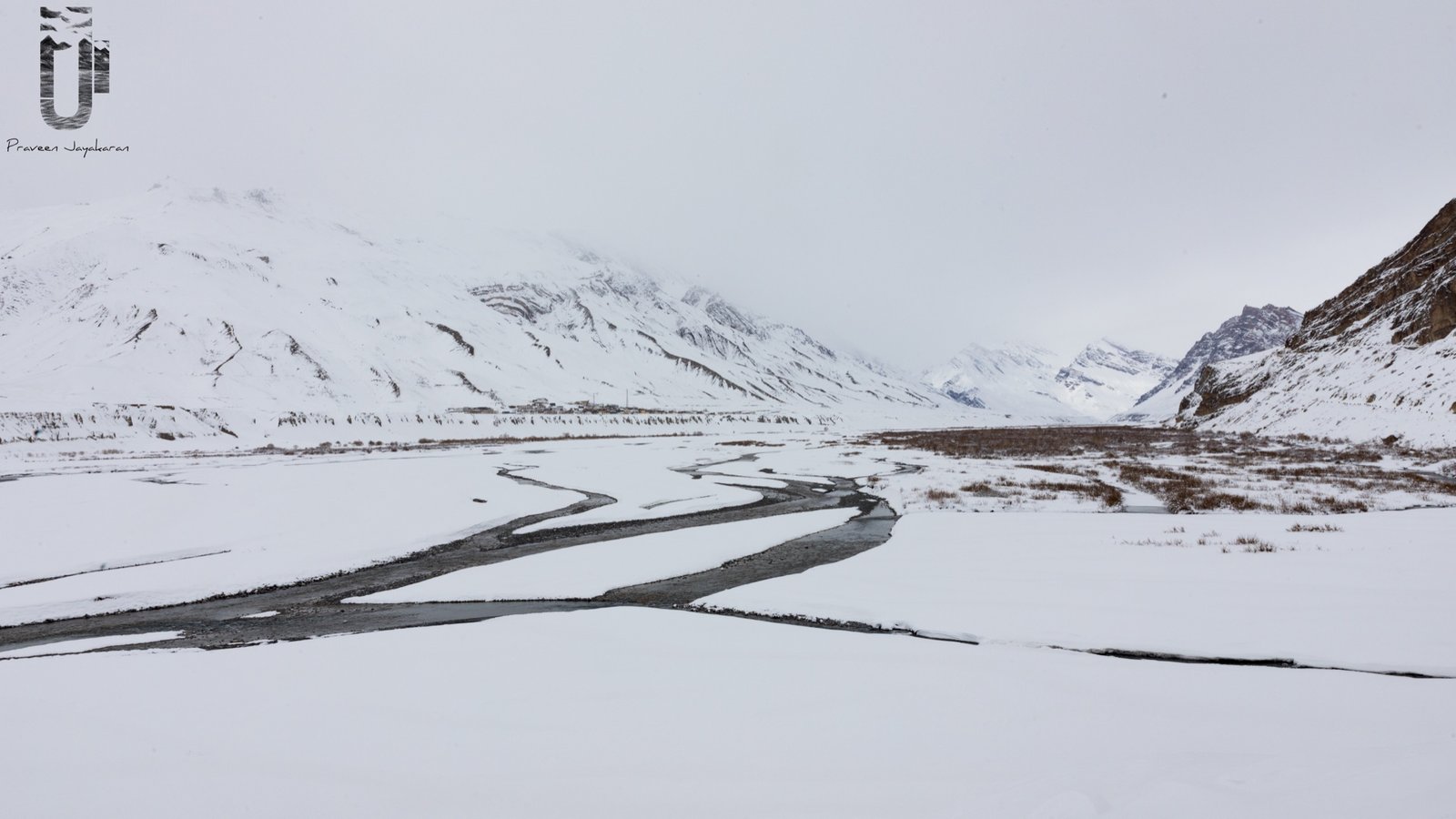
Lahaul Valley, Himachal Pradesh
Base: Keylong · Altitude: 3,100m · Season: December – February
Lahaul is the most accessible and developed ice climbing area in India. The valley is accessible year-round via the Atal Tunnel (since 2020), making it the premier winter mountaineering destination in Himachal Pradesh.
Pitidhar Waterfall
The main ice climbing venue at Keylong, the Pitidhar waterfall freezes solidly by late December, forming a 50–80m multi-tier ice face. Multiple lines from WI2 to WI4 form each season, making it ideal for groups of mixed abilities.
- Approach: 20–30 minute walk from Keylong town
- Best months: Late December through January
- Grades available: WI2, WI3, WI3+, WI4
- Guided access: Via Piti Dharr courses — pitidharr.com
Spiti Valley, Himachal Pradesh
Base: Kaza · Altitude: 3,800m · Season: January – March
Spiti is a high-altitude cold desert — one of the most remote inhabited valleys in India. Annual snowfall is very low, but extreme winter cold ensures spectacular ice formation. The valley is best suited for climbers with some prior altitude experience.
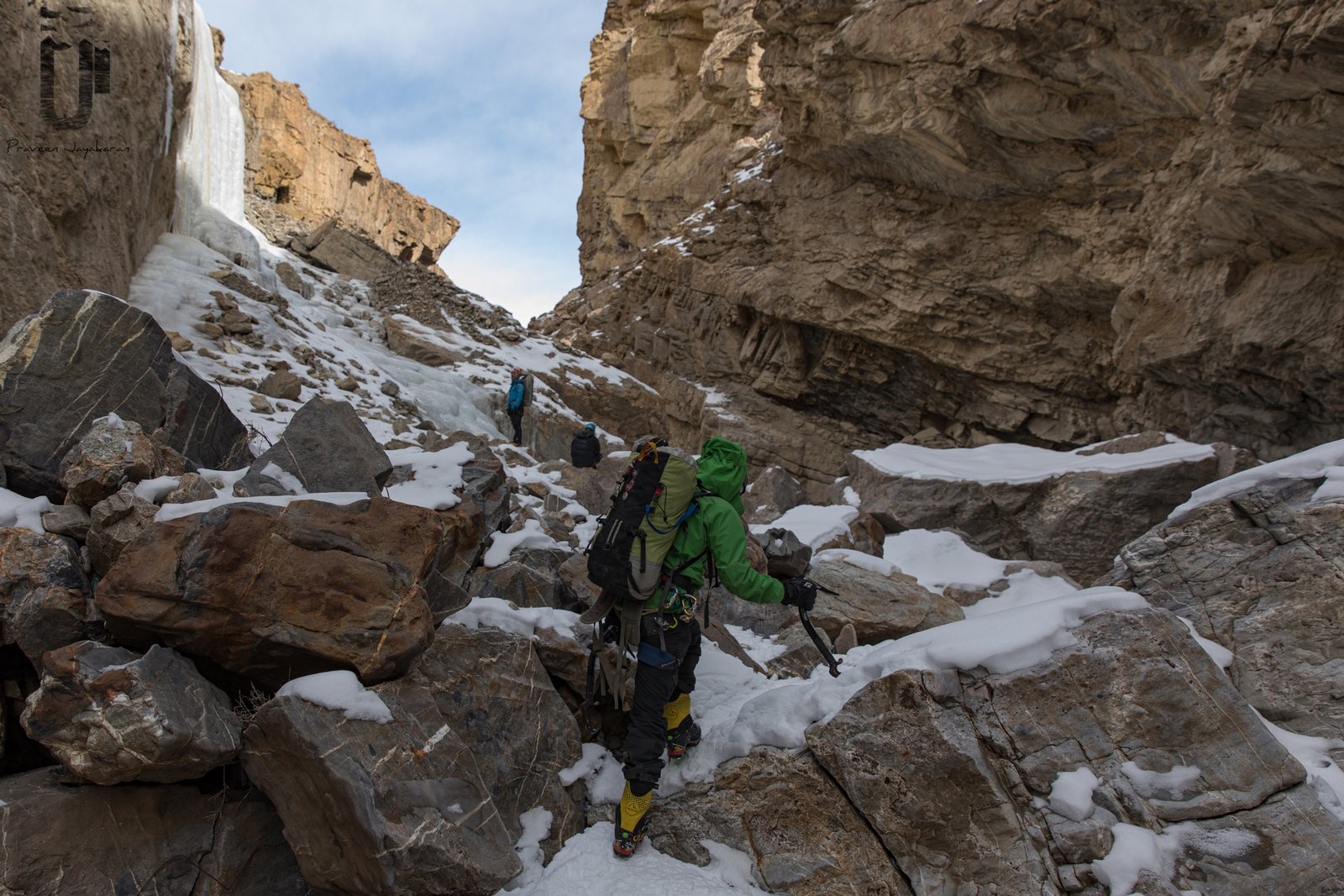
HOD Waterfall, Kaza
The HOD (Himalayan Outdoor Development) waterfall, on the outskirts of Kaza, is Spiti’s most well-known ice climb. At 4,200m, the waterfall freezes to form a 30–40m pillar of blue-green ice visible from town. The Piti Dharr festival has been the driving force behind developing structured climbing access here.
- Approach: 45 minutes by road from Kaza, then 20 min walk
- Best months: January through early March
- Grades available: WI3–WI4+
- Access: Through organised expeditions and the Piti Dharr festival
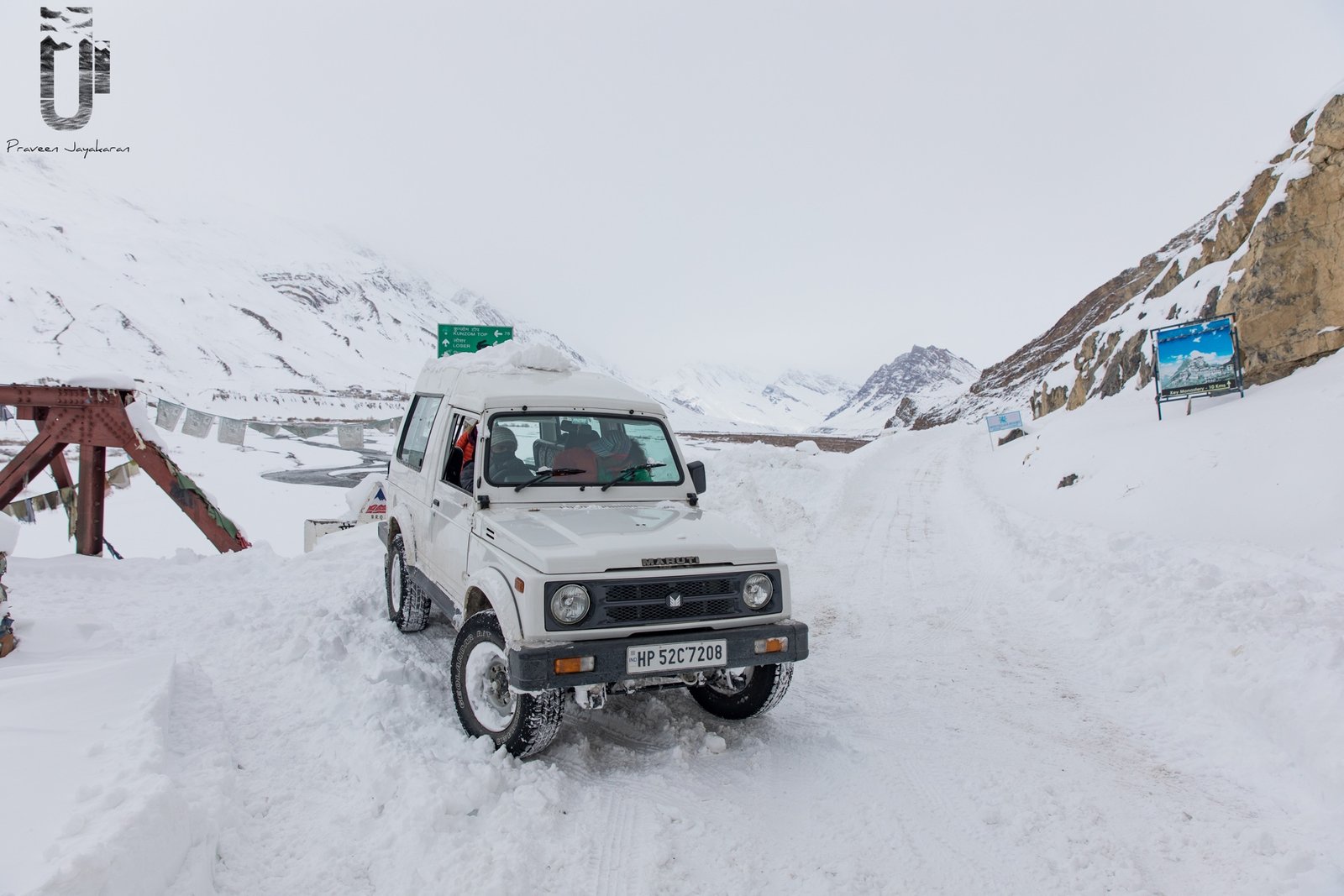
Zanskar Valley, Ladakh
Base: Padum · Altitude: 3,500–4,500m · Season: January – February
Zanskar is India’s most spectacular ice climbing wilderness. Cut off from the outside world for 6–7 months, accessible only by the famous Chadar route in winter. The vertical gorge walls above the Zanskar river hold some of the longest and most committing ice routes in the country.
- Access: Via Kargil (winter road) or helicopter. Limited infrastructure.
- Best months: Mid-January through February
- Grades: WI3 to WI5+ on established lines
- Note: Serious logistical planning required. Only recommended for experienced parties.
Uttarkashi & Gangotri, Uttarakhand
Base: Uttarkashi / Gangotri · Altitude: 3,100–4,000m · Season: November – March
Uttarakhand’s Garhwal Himalaya offers accessible ice climbing, with frozen gullies and waterfalls throughout the Bhagirathi and Alaknanda drainages. The Nehru Institute of Mountaineering (NIM) at Uttarkashi runs structured ice climbing courses here.
- Best for: Beginner to intermediate. Good road access. IMF-certified instructors.
- Key routes: Several WI2–WI4 lines in Harsil and Gangotri areas
- Access: Regular road / bus from Rishikesh / Dehradun to Uttarkashi